




Nonhuman primates (NHPs) can harbour multiple zoonotic pathogens owing to their close phylogenetic relationship and frequent interactions with humans. They can also be extremely successful ecological invaders. Within the United States, fewer than or equal to NHP species have been introduced and of them, the rhesus macaque has successfully established populations in Florida and Puerto Rico. The animals are the most frequently used NHP species in biomedical research. In laboratory settings, rhesus macaques are considered an occupational health threat because they harbour macacine herpesvirus 1, also known as herpes B virus. Now, they might carry this virus in the wild and transmit it to humans, as per a report by the US Centres for Disease Control and Prevention.
An attempt at boosting tourism
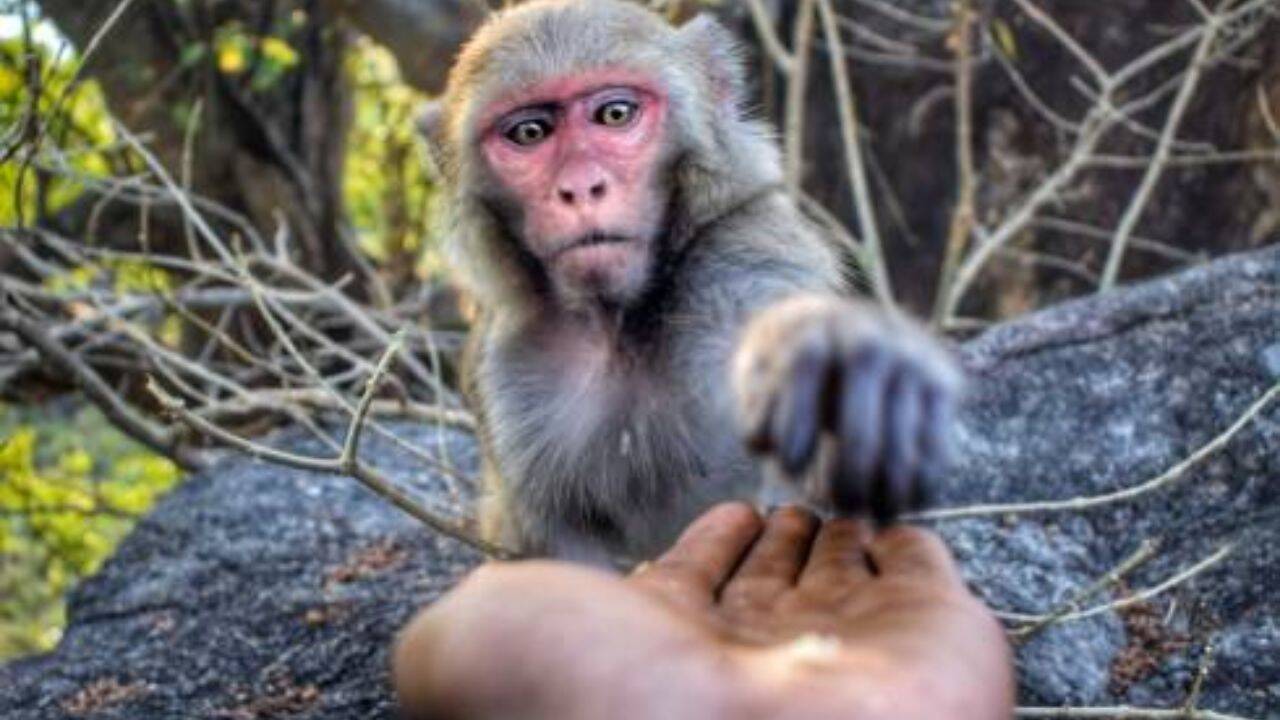
A species native to Asia, they were introduced to Silver Springs State Park in Florida in the 1930s in an attempt to increase tourism and make boat tours more exciting for visitors.
In the American state of Florida, the rhesus macaque is an invasive species with a high reproductive capacity, the ability to spread in geographic distribution and the potential to threaten native fauna with extinction. A species native to Asia, they were introduced to Silver Springs State Park in Florida in the 1930s in an attempt to increase tourism and make boat tours more exciting for visitors.The population was founded with 12 animals from an unknown source in 2 separate introduction events. The population grew to a peak of 400 animals in the 1980s and spread into adjacent forests along the Ocklawaha River. In 2015, a population of 175 rhesus macaques lived in Silver Springs State Park.McHV-1 antibody production was first detected in this population in 1992. Of 29 trapped animals, 12 (41%) were found to be seropositive. During 1984–2012, 1,000 animals were removed intermittently by permit-holding private trappers, but the practice of animal trapping ended because of public controversy and eventually stopped, leaving the population largely unmanaged.
The virus in question
The virus is closely related to the herpesviruses that cause cold sores and genital herpes in humans, but it behaves very differently once it crosses into a person. In macaques, the virus is essentially a non-issue; infected monkeys show no signs of illness. But if a human becomes infected, the outcome can be severe: roughly half of untreated human cases result in fatal encephalitis, a dangerous inflammation of the brain. Transmission has typically occurred via exposure to macaque bodily fluids, including bites and scratches, although an instance of human-to-human transmission has been reported.Like other herpesviruses, once a macaque is infected, the virus doesn’t go away. It retreats into nerve tissue and lies dormant. Periodically, often triggered by stress, it reactivates and starts shedding from the mouth, nose, or genital area, without producing any visible symptoms in the monkey. That’s the dangerous window: an infected macaque can look and act completely healthy while still being contagious.Transmission to humans typically happens through bites, scratches, or direct contact with infected fluids. It’s a well-documented occupational hazard in research laboratories that house macaques, but almost nothing was known about the risk posed by wild, free-ranging macaque populations, including the one living in a popular Florida state park.
An enlightening research
A team of researchers from the University of Florida and the University of Washington set out to answer three basic questions about the Silver Springs macaques:
- How many of them have been exposed to herpes B virus at some point in their lives?
- Are any of them actively shedding the virus, meaning currently contagious, and if so, when?
- Is the virus circulating in this wild population genetically similar to the strains known to be dangerous in laboratory settings?
To answer the first question, they drew on blood samples that had been collected from 317 macaques by licensed trappers between 2000 and 2012, before the trapping program ended. These samples had been tested for antibodies to the virus — a sign that an animal had been infected at some point, even if it wasn’t currently shedding.To answer the second question, the researchers couldn’t just trap and test the animals directly, since that approach was no longer permitted and also risked artificially stressing the monkeys and skewing the results. Instead, they used a clever, non-invasive method: they handed out cotton swabs soaked in a sugary solution to two macaque social groups that were used to human presence. The monkeys chewed on the swabs like treats, and once discarded, researchers collected them and tested the saliva residue for viral DNA. They repeated this across three seasons: fall (breeding season), spring (pregnancy/gestation), and summer (nursing), because all three are considered physically or socially stressful periods for the animals, and stress is known to trigger viral reactivation. They also collected fresh faecal samples from the ground and from two macaques that had died.To answer the third question, any samples that tested positive for the virus were genetically sequenced and compared against known laboratory strains of herpes B virus.
What the results said
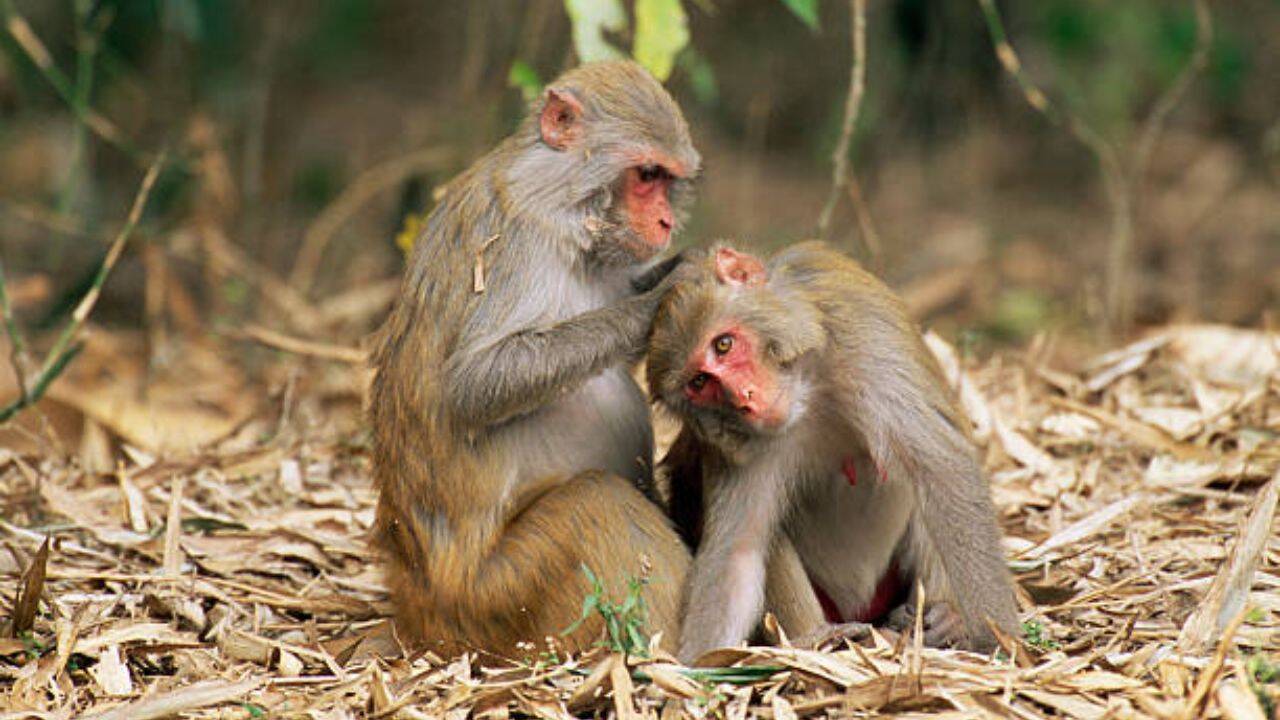
Somewhere between about 4% and 14% of the sampled animals appeared to be shedding the virus during the breeding season specifically.
The blood sample results showed that about 25% of macaques tested positive for herpes B antibodies on average each year between 2000 and 2012, meaning roughly a quarter of the sampled population had been infected at some point. Exposure rose sharply with age: essentially no monkeys under a year old tested positive, but more than half of four-year-olds did, and roughly three-quarters of macaques over five years old had antibodies. This pattern is exactly what scientists would expect from a virus that spreads through direct physical contact, since older animals have simply had more opportunities for exposure over their lifetimes.The saliva testing turned up something more specific: out of 121 oral swabs, only three tested positive for active viral shedding, and all three came from samples collected during the fall breeding season. Somewhere between about 4% and 14% of the sampled animals appeared to be shedding the virus during the breeding season specifically.Genetically, the picture was less reassuring. When researchers sequenced the virus from the positive saliva samples, they found it was nearly identical to strains previously identified in captive laboratory macaques — including some strains directly linked to serious human illness. In other words, there was no evidence that the “wild” version of the virus is a weaker or less dangerous strain than the one known to cause severe disease in lab settings.
What it means
Despite these findings, there is some good news: as of the study’s publication, no human had ever been confirmed to contract herpes B virus from a free-ranging macaque, in Florida or anywhere else. Every documented human case and death has been linked to captive animals in research facilities.What makes Silver Springs a particular concern is the sheer volume of close human-monkey contact. Boaters on the Silver River frequently feed the macaques at very close range, sometimes less than two meters away, and that kind of interaction is known to increase the likelihood of bites, scratches, and aggressive encounters. In fact, park officials have had to close public areas on multiple occasions due to aggressive macaque behaviour.
